Last updated: November 2026
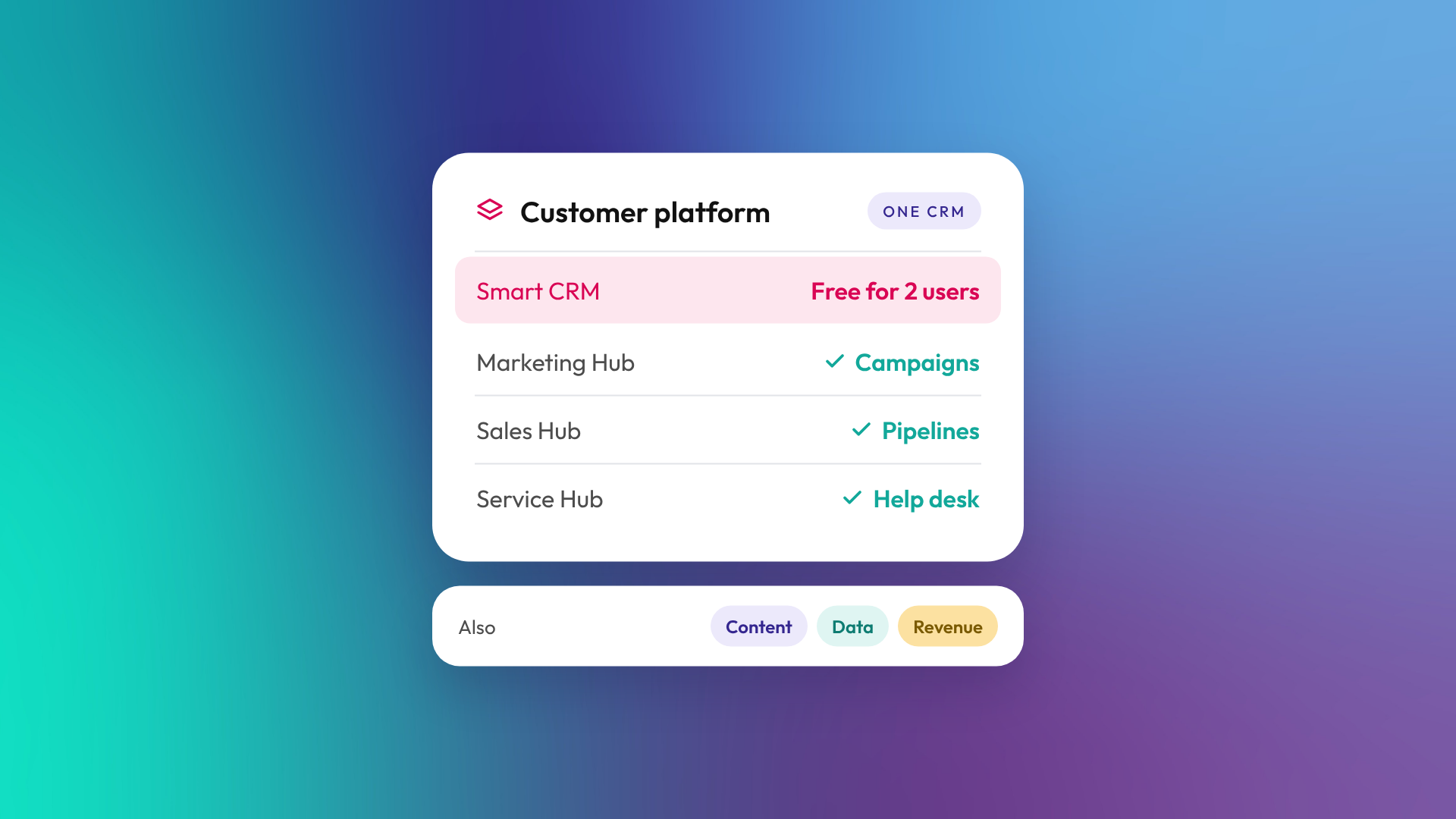
HubSpot is a customer platform that combines a CRM with software for marketing, sales, customer service, website content, data management and billing. Each of these is sold as a "hub" built on the same underlying CRM, so teams can work from connected customer records, subject to their access permissions. HubSpot's free CRM supports up to two users and 1,000 contact records, with no time limit, and you add paid hubs and seats as you grow. HubSpot reported 311,704 customers at 30 September 2026.
What does HubSpot do?
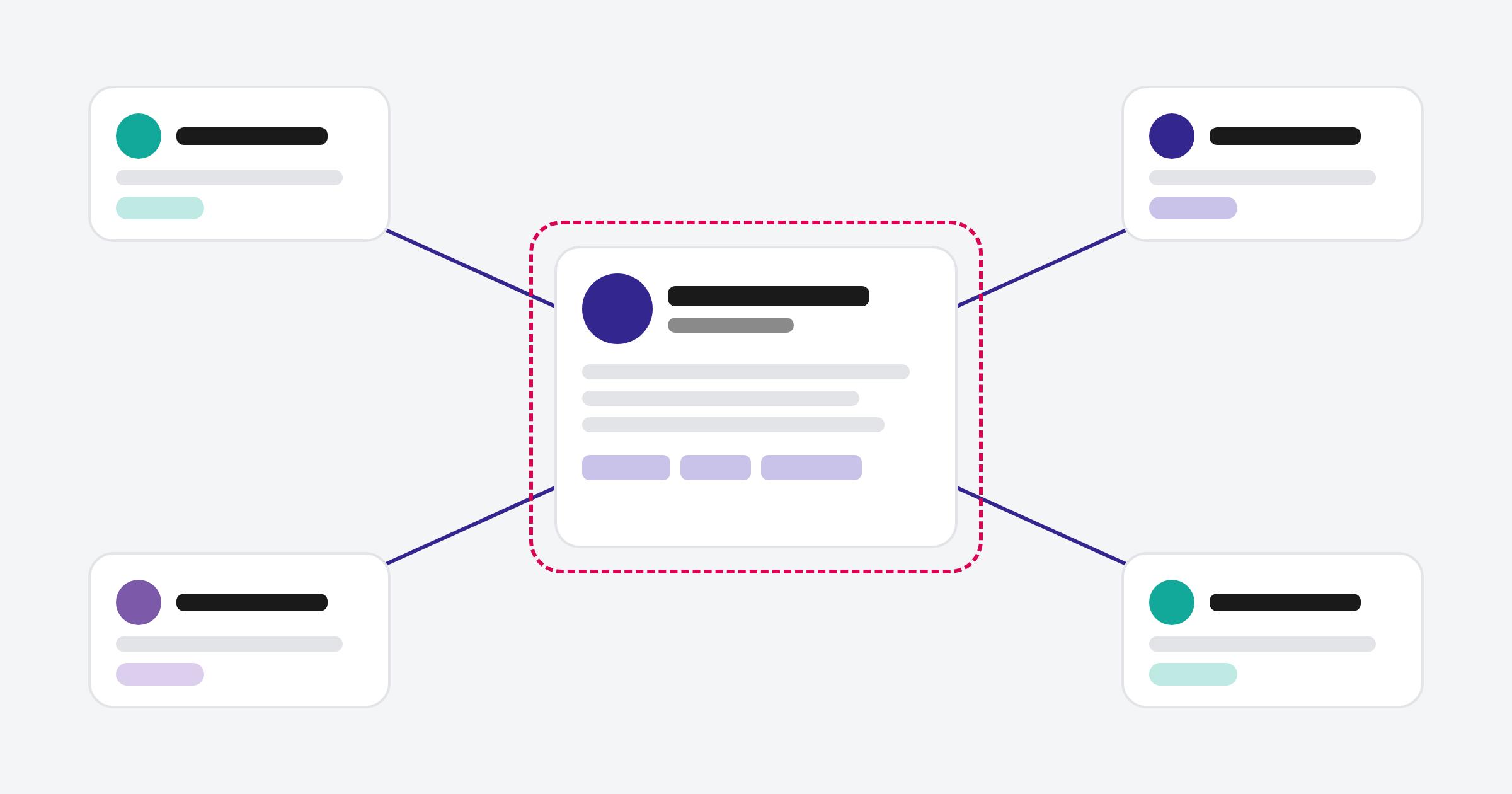
HubSpot gives a business one place to record every customer and prospect, and the tools to market to them, sell to them and support them. Instead of a CRM, an email tool, a help desk and a website platform that don't talk to each other, the activity from each sits on the same contact and company records.
For a B2B team, that means sales can see which emails a prospect opened, support can see what a customer bought where that information is recorded or synced into HubSpot, and leadership can report on the journey from first enquiry to renewal.
What are the HubSpot hubs?
HubSpot sells specialist hubs built on its Smart CRM. You can buy hubs individually or in bundles. Most offer Starter, Professional and Enterprise editions, although available editions vary by hub.
| Hub | What it's for |
|---|---|
| Smart CRM | Contacts, companies, deals, tickets and activity history. The base every hub uses |
| Marketing Hub | Email, forms, landing pages, campaigns, automation and attribution |
| Sales Hub | Pipelines, sequences, meetings, forecasting and sales reporting |
| Service Hub | Help desk, tickets, knowledge base, customer portal and feedback surveys |
| Content Hub | Website, blog and landing page management |
| Data Hub | Data sync, data quality tools and custom automation |
| Revenue Hub | Quoting, contracts, billing, payment collection and subscriptions. Replaced the Commerce Hub name in June 2026, with paid Professional and Enterprise editions |
Features and usage limits vary by subscription and seat type. HubSpot's AI, called Breeze, runs across the hubs. It includes Breeze Assistant inside HubSpot and agents for jobs such as answering customer questions.
How much does HubSpot cost in Australia?
HubSpot's free CRM supports up to two users and 1,000 contact records, with no time limit, according to HubSpot's CRM pricing page. Starter has a standard list price of A$31 per seat a month, ex GST, and HubSpot sometimes advertises lower promotional prices for new customers. Professional and Enterprise tiers cost more. For example, Sales Hub Professional lists at A$140 per seat a month, paid annually, which is a monthly equivalent rather than a month-to-month price.
Your total cost depends on which hubs you need, how many seats, and, for Marketing Hub, how many marketing contacts. Onboarding requirements and one-off fees vary by product and purchase arrangement, so confirm these, current AUD pricing and GST on your quote. Our guide to what HubSpot costs in Australia covers every hub in AUD.
Who is HubSpot best suited to?
For the B2B teams we work with, HubSpot tends to suit businesses that want marketing, sales and service on one system without a large admin team to run it. That includes professional services firms, SaaS companies and other businesses with a considered sales process.
It may be less of a fit when you need deep industry-specific features out of the box, or when your sales process lives almost entirely in another system such as an ERP. In those cases HubSpot can still work, but expect integration or custom build work.
Is HubSpot better than Salesforce or Pipedrive?
It depends on what you need. In our assessment, for the B2B teams we work with, HubSpot is usually quicker to set up and easier for teams to adopt, and it combines marketing, sales and service in one platform. Salesforce offers deep customisation but tends to need more admin and partner support. Pipedrive is a focused sales CRM that can suit small sales teams, with less built-in marketing and service functionality.
The better question is what your team needs to do every day, and which system fits that with the least workaround. Our article on the conversation to have before you buy a CRM covers how to work that out.
How do you get started with HubSpot?
For many small teams, starting with the free CRM and setting up the basics before buying paid hubs is a sensible approach. A practical order is:
- Map your sales process and the information you need at each step.
- Set up your data model: properties, pipelines and lifecycle stages.
- Import clean data from your current tools.
- Connect your communication tools and configure activity logging and meeting syncing.
- Add paid hubs when a limit starts costing you time or deals.
Our guide to setting up HubSpot CRM right the first time goes through this in detail.
Frequently asked questions
Is HubSpot free?
HubSpot's free CRM supports up to two users and 1,000 contact records, with no time limit. Paid hubs start at a standard list price of A$31 per seat a month on Starter, ex GST.
Is HubSpot a CRM?
Yes. HubSpot's Smart CRM is the base of the platform, and the marketing, sales, service, content, data and revenue hubs all run on it.
How many companies use HubSpot?
HubSpot reported 311,704 customers as at 30 September 2026 in its third quarter results.
Can HubSpot connect to Xero?
Yes. HubSpot's native Xero integration can sync customer details, products, invoices and payments, with options and limits that vary by data type. Our HubSpot Xero integration guide explains how it works.
Do I need a partner to set up HubSpot?
Not always. Small teams on the free CRM or Starter can often set it up themselves. A partner tends to help most with migrations, integrations and multi-hub setups.
What is Breeze in HubSpot?
Breeze is HubSpot's AI. It includes Breeze Assistant inside HubSpot and agents for tasks such as answering customer questions.
Weighing up HubSpot for your business?
If you'd like a straight view on whether HubSpot fits how you sell, and which hubs you'd actually need, book a call with us.
