AEO (answer engine optimisation) is the practice of structuring and writing content so AI tools such as ChatGPT, Gemini, Perplexity, Claude and Google AI Overviews use it, cite it and recommend your business in their answers. SEO (search engine optimisation) aims to rank pages in traditional search results so people click through. AEO builds on SEO rather than replacing it: the same crawlable, trustworthy content underpins both, but AEO puts more weight on clear answers, structure and being cited as a source.
Why does AEO matter now?
More buyers now ask AI tools questions they used to type into Google, and many get their answer without clicking a link. If your business isn't mentioned or cited in those answers, you can be invisible at the research stage even if you rank well in search. For B2B services with long consideration cycles, being the cited source on a buyer's early questions builds credibility before they ever visit your website.
How is AEO different from SEO?
The two overlap heavily, but they aim at different outcomes and reward slightly different things.
| SEO | AEO | |
|---|---|---|
| Goal | Rank pages in search results | Be cited or recommended in AI answers |
| Success looks like | Clicks and rankings | Mentions, citations and share of voice |
| Content style | Comprehensive pages targeting keywords | Direct answers, clear structure, quotable definitions |
| Format that helps | Strong pages and backlinks | Question-led headings, tables, FAQs, lists |
| Measurement | Rankings, traffic, conversions | Brand visibility, citations, sentiment, AI referral traffic |
How do AI answer engines choose what to cite?
Each answer engine works differently, but they tend to favour content that is crawlable, answers the question directly, is clearly structured, and comes from a source that seems credible on the topic. Content hidden behind forms, or loaded only by JavaScript, is often invisible to them. Pages that bury the answer under long introductions are harder to extract from than pages that answer in the first two sentences.
How do you optimise content for AEO?
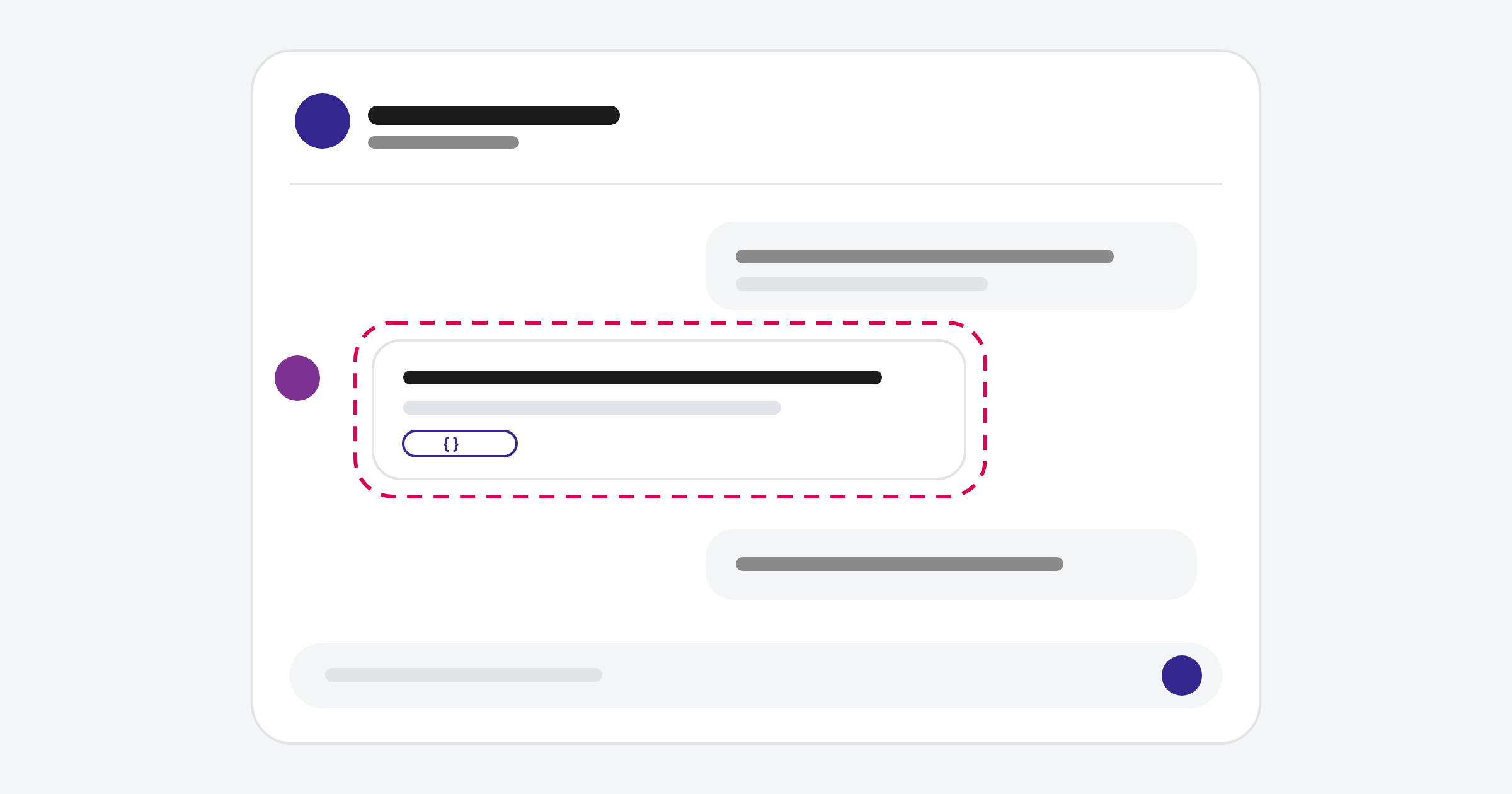
Write for the question, then structure for extraction. Every section should make sense on its own, because an AI tool might quote one section without the rest.
Practical AEO principles:
- Answer the title question in the first two to four sentences
- Use headings phrased as the questions buyers actually ask
- Start each section with a short, self-contained answer
- Include tables, numbered lists and clear definitions
- Add specific, verifiable facts such as timeframes, ranges and counts
- Add an FAQ section with real questions and short answers
- Keep content ungated and in the page's HTML
- Show who wrote it and keep it up to date
How do you measure AEO?
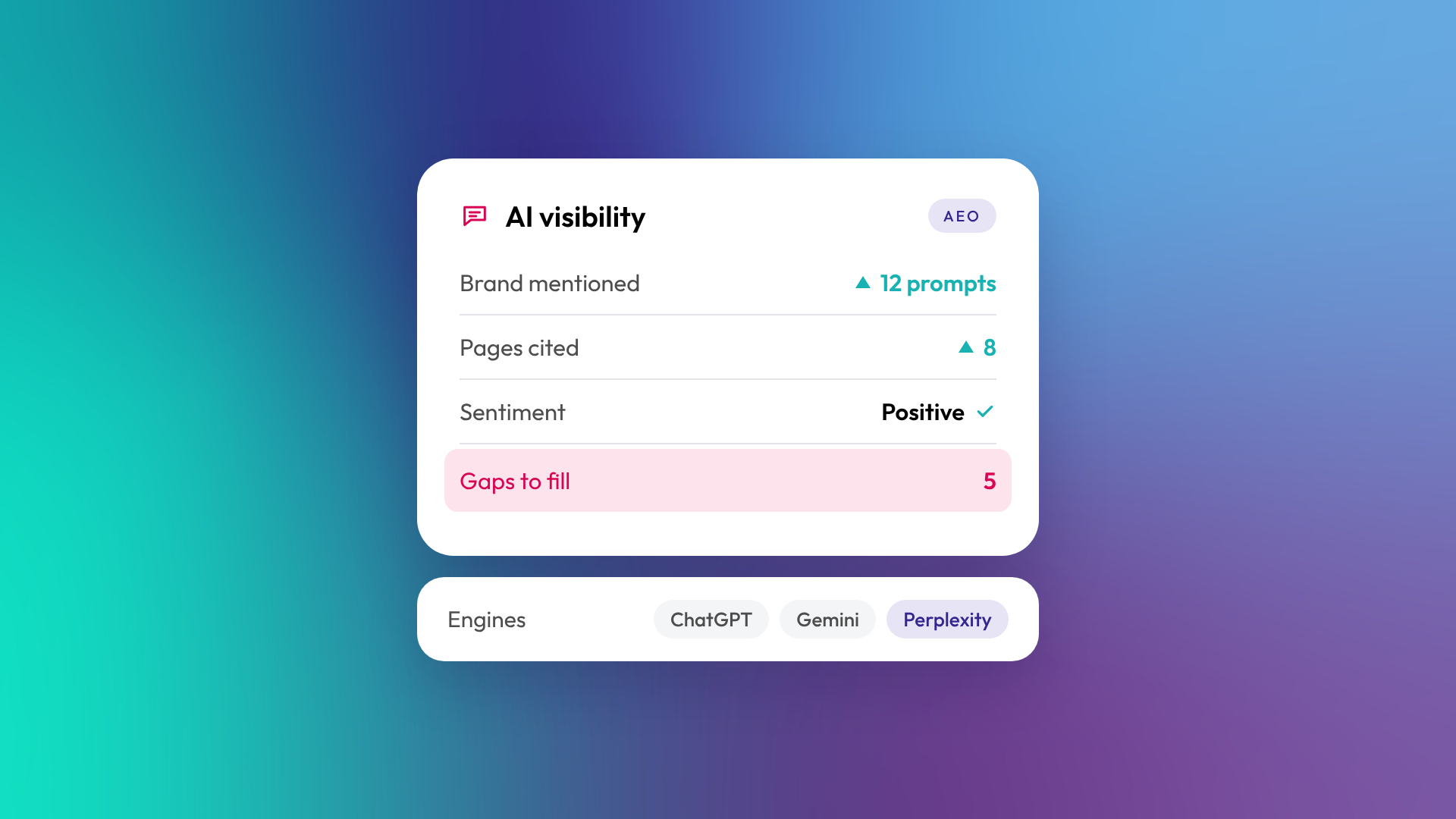
AEO measurement is still developing. Useful measures include how often your brand appears in AI answers for your target questions, which of your pages are cited, the sentiment of mentions, your share of voice against competitors, and traffic referred from AI tools.
HubSpot AEO tracks brand visibility, citations, sentiment and competitor share of voice across ChatGPT, Gemini and Perplexity by running your chosen prompts daily. According to HubSpot's knowledge base, a multi-engine beta adds Claude, Google AI Mode and Google AI Overviews. Read more: AEO for HubSpot users: how to use the AEO Grader and HubSpot AEO.
Does AEO replace SEO?
No. AI tools often draw on the same web pages that rank well in search, so strong SEO foundations (crawlable pages, good site structure, credible content) still matter. AEO changes how you write and structure that content, and what you measure. Treat it as the next layer on top of SEO rather than a separate strategy.
Related reading: What is Breeze? HubSpot's AI explained.
Common questions about AEO
What does AEO stand for?
AEO stands for answer engine optimisation. It's sometimes also called GEO (generative engine optimisation) or LLM SEO.
Which AI tools does AEO target?
The main ones are ChatGPT, Google AI Overviews and AI Mode, Gemini, Perplexity, Claude and Microsoft Copilot.
Is AEO only for big brands?
No. Specialist businesses can be cited on niche questions where they have genuine expertise, often more easily than large brands writing general content.
How long does AEO take to work?
It varies. New content can be picked up by some AI tools within weeks, but building consistent visibility across engines takes months of steady, useful content.
Should I gate my best content?
Not if you want it cited. Answer engines can't read content behind a form. Keep the page open and offer a downloadable extra if you want to capture leads.
Where to from here
Pick five questions your buyers ask before they contact you, and ask them in ChatGPT and Perplexity. If your business doesn't appear, those are your first AEO pages. If you want to track this inside HubSpot, our HubSpot onboarding team can help set it up.
